
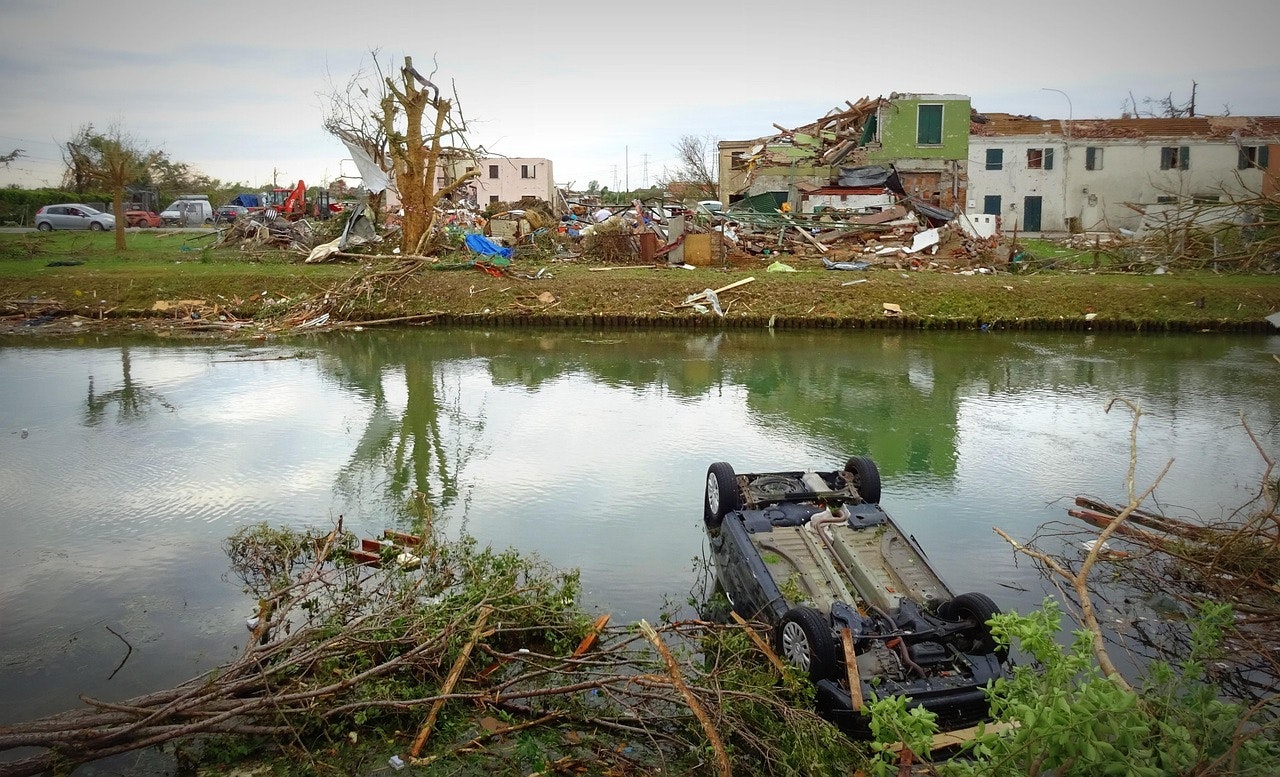
Wind vs. Water Damage: How to Distinguish and File the Right Insurance Claim
After a hurricane or severe storm in Florida, homeowners often face extensive property damage. One of the most important steps in filing an insurance claim is understanding the difference between wind damage and water damage—because insurance coverage and claim procedures can vary significantly. Filing the wrong type of claim or misclassifying the damage can delay your settlement or even result in a denied claim.
This guide explains how to distinguish between wind and water damage and ensures you file the right insurance claim.
1. Understanding Wind Damage
Wind damage occurs when strong winds from a hurricane, tropical storm, or tornado physically impact your property. Common examples include:
-
Roof shingles or tiles torn off
-
Broken windows or doors
-
Damaged siding or exterior walls
-
Fallen trees or debris impacting your home
-
Detached fences or outbuildings
Key Point: Wind damage is usually covered under standard homeowners insurance policies, including hurricane insurance in Florida.
2. Understanding Water Damage
Water damage can result from several sources:
-
Flooding due to storm surges, heavy rainfall, or rising rivers
-
Internal leaks caused by wind-damaged roofs or broken pipes
-
Seepage from basement or ground-level flooding
Important: In Florida, standard homeowners insurance does not cover flood damage. Flood claims require separate flood insurance, often provided through FEMA’s National Flood Insurance Program (NFIP).
3. Why Distinguishing Between Wind and Water Matters
Insurance companies may try to classify storm damage as water damage to reduce payouts. Understanding the distinction helps you:
-
File a wind damage claim if your home suffers physical destruction caused directly by hurricane-force winds
-
Ensure you file a flood claim only if water from external sources caused the damage
-
Avoid delays or disputes that result from misclassified claims
Pro Tip: Document your property immediately after the storm with photos and videos showing the source of the damage.
4. Step-by-Step: Filing the Right Claim
Step 1: Assess the Damage
-
Walk around your property safely and identify which parts were affected by wind versus water.
-
Look for physical signs like missing shingles, cracked walls, or uprooted trees.
-
Note water intrusion areas, such as basement flooding or ceiling leaks.
Step 2: Document Thoroughly
-
Take wide-angle and close-up photos of all damage.
-
Record the cause of damage if visible (e.g., a fallen tree or roof tear).
-
Keep a written log of damage and temporary repairs.
Step 3: Review Your Insurance Policy
-
Check if your policy covers wind damage, water damage, or both.
-
Identify hurricane deductibles and filing deadlines.
Step 4: File the Appropriate Claim
-
Contact your insurance company promptly.
-
Provide your documentation and specify the type of damage: wind or water/flood.
-
Keep detailed records of all communication, including dates, names, and notes.
Step 5: Seek Professional Assistance
-
Consider consulting a hurricane claims attorney if your claim is large, complex, or disputed.
-
An experienced attorney can help you navigate the claim process and maximize your compensation.
At Diane Zimmerman Law, we specialize in hurricane, wind, and water damage claims in Florida, helping homeowners ensure their claims are properly classified and fairly compensated.
5. Preventing Future Confusion
-
Maintain up-to-date insurance policies that cover hurricane and flood risks.
-
Conduct annual home inspections to identify vulnerabilities to wind and water damage.
-
Take preventive measures like reinforcing roofs, installing storm shutters, and elevating utilities.
Final Thoughts
Distinguishing between wind damage and wind damage is crucial for filing the right insurance claim in Florida. Proper documentation, understanding your coverage, and professional guidance are essential to receiving fair compensation after a hurricane or severe storm.
If you’ve experienced storm damage, contact Diane Zimmerman Law for expert legal assistance with your insurance claim—protecting your home and ensuring you get the settlement you deserve.